
Rebecca’s Observations//
Why Do Some People Lose Interest When Things Get Real?
It is one of the most disorienting patterns in dating. Everything is going well, the connection deepens, and then they pull back. Fear of intimacy does not always look like fear.
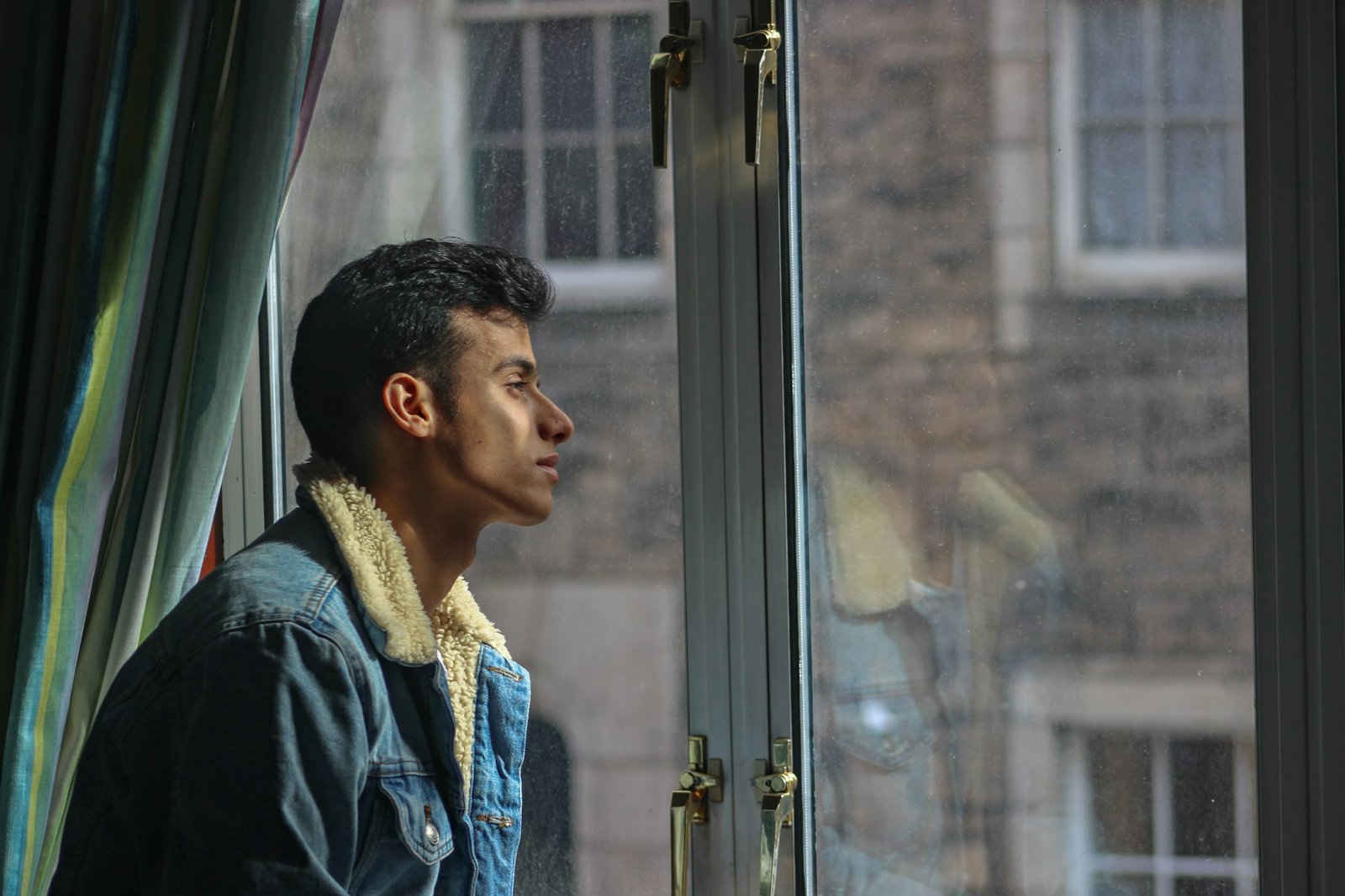
It is one of the most confusing experiences in modern dating. Things are good. Better than good. The conversations are deepening, the plans are real, and you let yourself exhale. And then, almost on cue, they start to fade. Slower replies. Vaguer plans. A coolness where there was warmth.
To the person left behind it can feel like whiplash, or like they did something wrong. Usually they did not. What they ran into is a pattern that has very little to do with them, and it is worth understanding from both sides, because it is rarely as simple as someone not caring.
The Moment Things Get Real
Notice when the withdrawal tends to happen. Not in the uncertain early days, when it is all possibility and low stakes. It happens right after a threshold. A wonderful trip. A vulnerable conversation. The first time the word relationship is in the air. The retreat is triggered by closeness, not distance, and that is the clue to what is underneath it.
What Is Happening for the Person Who Pulls Away
For many people who withdraw, intimacy registers as risk rather than reward. If early experiences taught them that closeness leads to engulfment, disappointment, or loss of self, then a deepening bond does not feel like safety. It feels like a threat approaching. Pulling back is not cruelty. It is a nervous system reaching for the exit it has always used. This is the avoidant side of attachment, and as the overview of attachment at Psychology Today describes, it is often invisible to the person doing it. They do not experience it as fear. They experience it as suddenly feeling unsure, bored, or crowded.
That is the part worth holding with some compassion. The withdrawal is usually not a verdict on you. It is the moment their capacity met its edge.
The retreat is triggered by closeness, not distance. That is the whole clue.
What It Is Like to Be on the Other Side
And here is the other half, because compassion for the one who leaves should never erase the one who is left. If you are the person who keeps getting close and then watching someone vanish, the cost is real. You start to distrust good moments, because you have learned that closeness is the thing that scares people off. You shrink yourself to seem less available, less invested, less much.
If that is you, the work is not to become less. It is to stop chasing the retreat. When you bond quickly, an avoidant partner can become magnetic precisely because the inconsistency keeps you activated, a loop I described in why do I get attached so quickly and in if you keep attracting emotionally unavailable people.
The No-BS Part
Someone pulling away when things get real is giving you information, not a puzzle. You can understand why they do it and still decline to organize your life around waiting for them to stop. Compassion for their pattern does not obligate you to absorb its cost.
You can have compassion for why someone withdraws and still refuse to build your life around their exit.
What I’ve Observed
In my years of coaching, the people who pull away at closeness can absolutely change, but only when they want to and do their own work on it. It is not a project you can complete for them by being patient enough or wonderful enough. The healthiest move, when you see the pattern, is to keep being your open, available self and to let their response tell you whether they are willing to meet it. The right person, available or learning to be, does not disappear the moment it counts. They move toward you, which is what emotionally available dating actually looks like.
If you keep meeting people who fade at the threshold, you do not have to keep solving it alone. You can explore dating services, and if you find yourself dating but feeling stuck, that is often the most useful signal of all.
Match Me Canada