The Relationship Column
I Want Love, Not Another Shared Kitchen
Committed doesn’t have to mean cohabiting. On wanting a real relationship and your own life at the same time, and why that is a preference, not a problem.
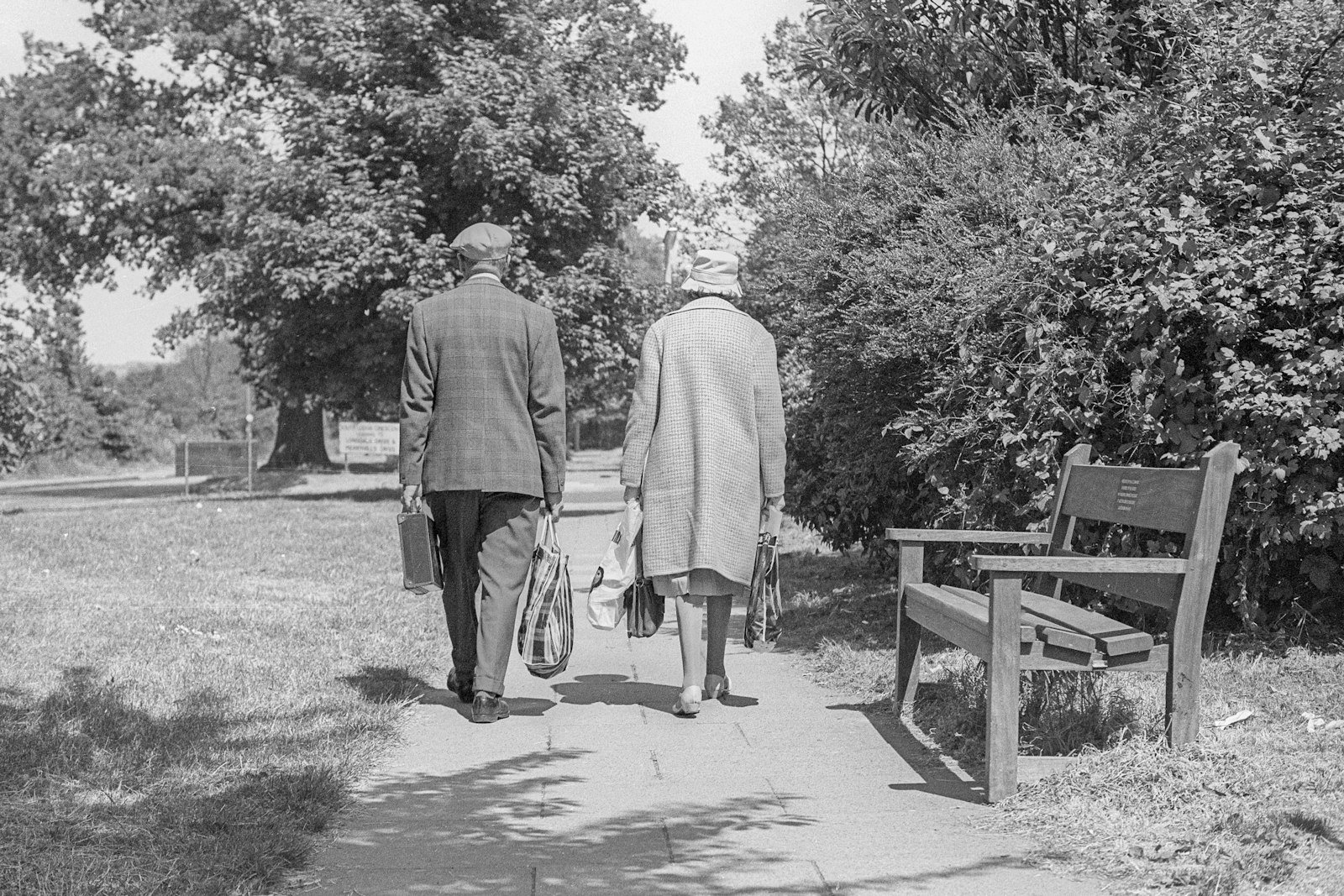
Something I hear more and more often, especially from people in their fifties, sixties, and seventies, is a version of this. I want a real relationship. I do not necessarily want to share a home again. And then they wonder whether that makes them wrong for wanting love, or wrong for wanting their own life.
The Question
I’m fifty-six, divorced eight years ago, and my kids are grown. I’m dating a lovely man. Kind, present, on the same page about most things. But I have built a life I really love. My house, my routines, my mornings. And I do not want to give that up. I want him in my life. I do not necessarily want him in my kitchen every morning. Is it a problem that I don’t want to merge our lives the way I did in my marriage?
The Answer
It is not a problem. It is a preference. And it is one that a growing number of adults share. What you are describing is often called Living Apart Together. Two people in a committed relationship who choose, deliberately, to maintain separate homes. It is not a rejection of intimacy. It is a different structure for it.
For a lot of people at your stage of life, this arrangement makes real sense. You have already lived through the merged household. You have your own financial life, your own routines, and often your own adult children with their own dynamics. Blending everything the way you might have at twenty-eight is not automatically the goal anymore.
Committed does not have to mean cohabiting.
It is an increasingly common choice, too. More older couples are deliberately living apart while staying fully committed to each other.
What makes a Living Apart Together relationship actually work? Clear communication about what you both actually want. Real emotional commitment, so the physical distance does not become emotional distance. And an honest look at whether you are choosing this because it fits your life, or because you are protecting yourself from getting close.
From what you have written, this sounds like the first thing. You are not avoiding intimacy. You are protecting a life you have worked hard to build. Those are two different things, and grown adults are allowed to know the difference.
The most important thing is being honest with him. If he wants a shared home eventually and you do not, that is worth surfacing sooner rather than later. Not because it has to end the relationship, but because the version of together you are each hoping for is worth naming out loud.
What They’re Really Asking
Can I build something real with someone without dismantling the life I’ve built for myself?
You can. And the wish to do so is often clearest later in life, when companionship, rather than merging, becomes the thing that matters most. I wrote about that shift in why companionship matters more than chemistry as we age.
One Thing I Tell Clients
The relationship structure that worked for you at twenty-eight does not have to be the one that works for you at fifty-eight. One of the quiet gifts of dating later in life is being allowed to design the version of togetherness that actually fits who you are now.
Some of the most important dating conversations happen quietly, over weeks, not in one dramatic moment. For the days you need a steady voice while you figure out what you want to say and when to say it, my weekday text program, Dating, But Feeling Stuck, is built for exactly those in-between moments. You can also explore the full range of dating services.
Match Me Canada